


Date By-Products
The date industry plays a significant role in the economies of countries such as Iran, Saudi Arabia, Egypt, and the United Arab Emirates. With annual global production surpassing 9 million tons, dates are not only consumed as fresh fruit but are also processed into a wide variety of food products. However, a lesser-known but highly valuable segment of this industry is the utilization of date by-products—also referred to as date waste or date processing waste—in the food industry.
These by-products include date pits (seeds), date skin, fiber, syrup residues, and even downgraded or non-commercial dates that cannot be marketed as fresh fruit. With the rise of sustainable practices and zero-waste initiatives in food production, the demand and interest in date by-products are growing rapidly among wholesale buyers, food manufacturers, and ingredient suppliers.
In this article, we will explore the applications, benefits, and market opportunities for date by-products in the food industry. We’ll also look at the types of products made from these by-products and how they contribute to various segments, from health foods to animal nutrition.
What are Date By-Products?
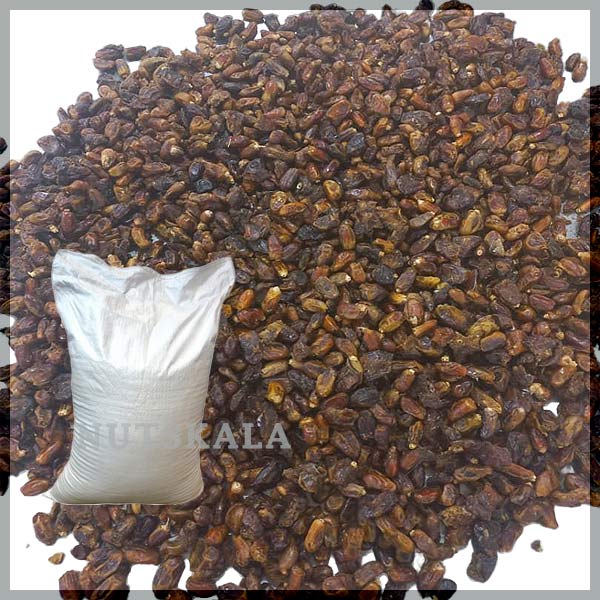
Date by-products are the residual materials derived from date fruit processing. These can include:
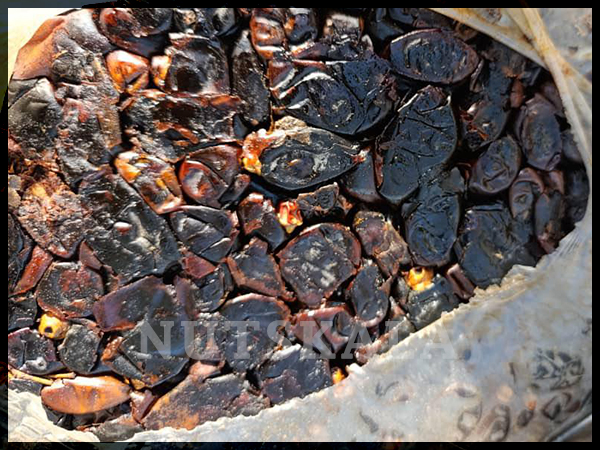
Rejected or downgraded dates (small size, poor shape, or overripe)
Date pits (seeds)
Date fibers and peels
Residues from date syrup and date paste production
Rather than being discarded, these materials are now seen as valuable raw materials for new product development in the food, health, and agricultural industries.
Applications of Date By-Products in the Food Industry
1. Date Seed Powder and Coffee Substitute
One of the most commercially successful uses of date pits is grinding them into date seed powder. This powder is often roasted and marketed as a caffeine-free coffee alternative. It offers a rich aroma, pleasant bitterness, and is naturally free of allergens typically found in coffee beans.
Applications:
Coffee substitutes
Bakery products (added for fiber and texture)
Functional food ingredients (rich in dietary fiber and antioxidants)
Market Potential:
Growing consumer interest in caffeine-free and functional beverages has boosted demand for date seed coffee, particularly in health-conscious markets like Europe, Japan, and North America.
2. Date Syrup Residue as Natural Sweeteners and Fillers
During the production of date syrup (also called date molasses), a fibrous, sticky residue remains. This by-product is rich in natural sugars and dietary fiber.
Applications:
Natural sweeteners in bakery and confectionery
Ingredients in breakfast cereals
Additives for energy bars and protein products
Market Potential:
As manufacturers seek alternatives to refined sugars, date-based sweeteners and natural syrups are gaining popularity in both retail and industrial sectors.
3. Date Paste and Fiber for Bakery and Confectionery
Date paste, sometimes made from downgraded dates, serves as a versatile ingredient for producing cookies, bars, and snack fillings. It adds moisture, sweetness, and nutritional value to baked goods.
Applications:
Fillings for pastries, cakes, and energy bars
Natural binding agent in cereals and snack foods
Ingredient for vegan and plant-based products
Market Potential:
The shift towards clean label and natural ingredients has increased demand for date paste as an alternative to artificial sweeteners and binders.
4. Fermentation Products: Vinegar and Alcohol
Low-grade dates and syrup residues can be fermented to produce date vinegar and alcoholic beverages such as spirits and wine. These products are widely used in cooking, pickling, and even cosmetic formulations.
Applications:
Vinegar for food seasoning and preservation
Alcoholic beverages (niche markets)
Market Potential:
Demand is growing for artisanal vinegars and natural ferment-based ingredients in gourmet food industries.
5. Animal Feed Ingredients
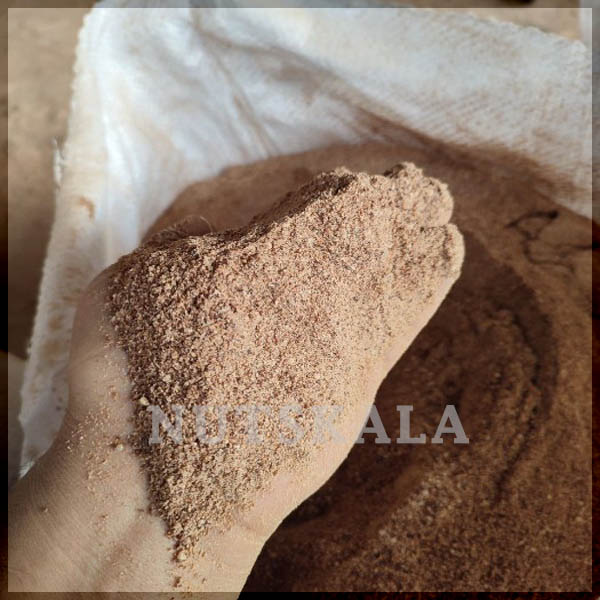
Date pits, fiber, and downgraded fruits are excellent sources of fiber and energy for animal feed formulations. After appropriate processing (grinding and sterilizing), these by-products are incorporated into livestock, poultry, and aquaculture feed.
Applications:
Animal feed additives
Nutritional supplements for livestock
Market Potential:
Livestock industries in date-producing regions increasingly recognize the value of these cost-effective, nutritious materials.
6. Production of Natural Fibers and Flour
The fibrous components of date by-products can be refined into dietary fiber supplements and flour substitutes. These are used to fortify bread, biscuits, and health foods with insoluble fiber.
Applications:
High-fiber health foods
Gluten-free baking flours
Fiber supplements in dietetics
Market Potential:
Global demand for fiber-enriched foods and functional health foods continues to grow, particularly in the EU and North America.
Benefits of Utilizing Date By-Products
Sustainability:
Reduces waste and promotes circular economy models in food production.
Cost Efficiency:
By-products are cheaper raw materials, reducing production costs.
Nutritional Value:
High in fiber, natural sugars, and antioxidants.
Innovation Potential:
Enables the development of new food categories and health-oriented products.
Market Differentiation:
Provides competitive advantage for companies offering eco-friendly, upcycled ingredients.
Market Demand and Business Opportunities
Global Market Trends Driving Growth:
Increasing demand for sustainable ingredients
Rising popularity of functional foods and superfoods
Growing awareness about zero-waste production
Expansion of plant-based and vegan-friendly markets
Regions with High Potential:
Middle East & North Africa (MENA): Traditional users, large production volumes
Europe: Health-conscious, eco-friendly market demand
Asia-Pacific: Expanding health food and natural products sectors
North America: Focus on plant-based and fiber-rich products
Wholesale Buyers:
Food processors and manufacturers
Health food brands
Bakery and confectionery industries
Animal feed producers
Exporters of natural ingredients
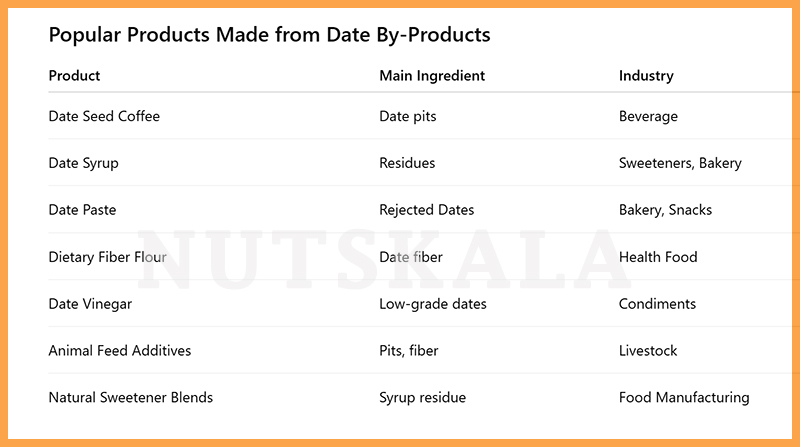
Popular Products Made from Date By-Products
The utilization of date by-products in the food industry not only contributes to sustainability and waste reduction but also opens new avenues for innovation and profitability. From coffee alternatives and natural sweeteners to fiber supplements and animal feeds, the applications are diverse and increasingly valued in global markets.
For wholesale buyers, this sector presents growing opportunities to tap into the demand for eco-friendly, functional, and natural ingredients. Investing in date by-products is a strategic move toward meeting the future needs of both consumers and industries striving for more sustainable and nutritious solutions.
Contact Us for Wholesale Inquiries of Date By-products
Looking to expand your product line or secure a reliable supply partner? Let’s grow together. Contact us today for product catalogs, samples, and custom quotes tailored to your market:
📧 info@nutskala.com
📱 WhatsApp: +989023771052


