


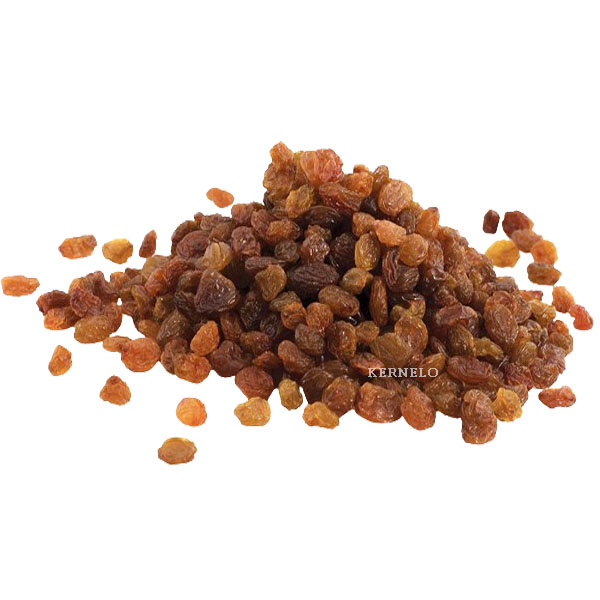
Thompson Raisin
Thompson raisins, also known as Thompson Seedless raisins, are among the most widely consumed dried fruits in the world. Known for their naturally sweet taste and chewy texture, these raisins are made from green Thompson Seedless grapes, which are dried in the sun without any additives or preservatives. A reputable Thompson raisin supplier provides consistent, high-quality sun-dried products that meet global standards for both industrial use and consumer packaging. Understanding the full specifications of this variety can help importers, wholesalers, and food manufacturers make informed sourcing decisions.
Whether you’re in the retail business, a bulk buyer, or a food service distributor, partnering with the right Thompson raisin supplier ensures product consistency, compliance with international food safety regulations, and competitive pricing in the global dried fruit market.
What Are Thompson Raisins (Sun-Dried)
Thompson raisins are produced from green Thompson Seedless grapes, a variety originally from California that has since been cultivated extensively in Iran, Turkey, Chile, South Africa, and other grape-producing regions. These raisins are sun-dried over several weeks, without sulfur dioxide or artificial drying methods, making them 100% natural.
A professional Thompson raisin supplier typically ensures these raisins are free from chemical preservatives and retain their deep brown color, signature sweetness, and wrinkled texture, preferred by both consumers and the food industry.
Key Specifications and Features of Sun-Dried Thompson Raisins
1. Appearance and Color
Sun-dried Thompson raisins are medium to dark brown in color with a naturally wrinkled surface. The shade of brown may vary slightly depending on the drying conditions, sugar content, and harvest time. A reliable Thompson raisin supplier ensures uniformity in size and color, which is essential for both aesthetic and quality purposes in food production.
2. Drying Method
Sun-drying is the most traditional and chemical-free method used for producing Thompson raisins. Grapes are laid on drying trays under the sun for 2–3 weeks. This natural drying process helps maintain a high level of nutrients while developing their rich, caramel-like flavor. No sulfur dioxide is used in this method, differentiating them from golden raisins.
3. Size and Grading
Thompson raisins are typically classified by size and cleanliness standards:
Small, Medium, and Jumbo grades available
Count per 100 grams or per lb
Graded by % of cap-stems, sand, and moisture content
Top Thompson raisin suppliers offer multiple sizes to suit the demands of various industries, from bakery-grade to snack-ready formats.
4. Moisture Content
Standard moisture content ranges between 14% to 16%, ensuring a chewy yet stable product. Moisture level is a key indicator of freshness and storage capability, and suppliers usually provide lab reports for export validation.
5. Taste and Texture
Thompson raisins are naturally sweet due to their high natural sugar concentration. They offer a slightly chewy texture, making them suitable for snacks, breakfast cereals, baked goods, and desserts. Their sugar content can reach up to 60–70% of total weight, primarily in the form of glucose and fructose.
Nutritional Benefits
Sun-dried Thompson raisins are dense in nutrients and energy:
Calories (per 100g): ~300 kcal
Carbohydrates: 79g (mostly natural sugars)
Dietary Fiber: 3.7g
Protein: 3g
Fat: 0.3g
Potassium: 750mg
Iron: 1.8mg
Calcium: 50mg
Antioxidants: Polyphenols and phenolic acids
They are gluten-free, vegan, cholesterol-free, and non-GMO, appealing to modern health trends. Most exporters and Thompson raisin suppliers focus on offering raisins with minimal to zero added preservatives, making them ideal for health-conscious markets.
Industrial and Culinary Uses of Thompson Raisins
Thanks to their versatility and long shelf life, Thompson raisins are widely used in multiple sectors:
Bakery and Confectionery: Ideal for cookies, muffins, cakes, and breads
Breakfast Cereals: Added to granola and oatmeal for flavor and fiber
Snacks and Trail Mixes: Mixed with nuts and seeds for energy-packed snacks
Dairy Products: Incorporated into yogurts and cheese-based spreads
Ethnic Dishes: Commonly used in pilafs, rice dishes, and North African or Indian cuisine
Choosing a Reliable Thompson Raisin Supplier
Finding a dependable Thompson raisin supplier can impact your product’s final quality and consumer trust. Here are the key aspects to evaluate:
Certifications: HACCP, ISO, FDA, USDA Organic, and Halal certifications ensure international compliance.
Traceability: High-quality suppliers maintain a transparent supply chain from vineyard to packaging.
Cleanliness Standards: Compliance with international microbiological limits and mechanical separation protocols.
Packaging Options: Bulk (5kg, 10kg, 12.5kg, 15kg) and consumer packs with nitrogen flushing or vacuum sealing for long shelf life.
Customized Orders: Ability to adjust moisture levels, cut size, and private labels for wholesalers and retailers.
Logistics: Experience in international shipping, customs documentation, and destination-specific labeling.
Storage and Shelf Life
Proper storage ensures that Thompson raisins remain fresh and safe for consumption for up to 12–15 months:
Store in a cool, dry place away from sunlight
Ideal temperature: 5–10°C
Refrigeration or freezing extends shelf life for industrial users
Some Thompson raisin suppliers offer anti-microbial packaging to reduce spoilage and improve shipping stability for long-distance buyers.








Reviews
There are no reviews yet.